
Das Ost-muselmanische SS Regiment Отрывок из донесения нацистского командования о формировании туркестанского легиона из добровольцев-эмигрантов и советских военнопленных азиатского происхождения в составе гитлеровской армии, автор пишет о том, как весной 1944 года один из полков легиона перешел на сторону партизан. An der Seite der deutschen Wehrmacht kämpften im 2. Weltkrieg […]
Soviet Empire
20 posts
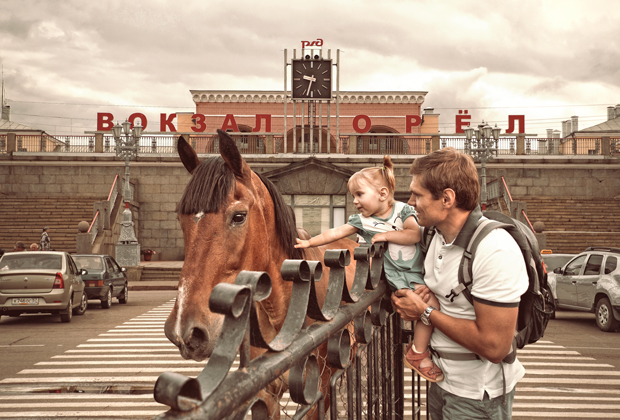
Modernes Erbe von Leninismus Orjol – wörtlich „Adler“ – ist eine russische Stadt in Zentralrussland. Orjol liegt an der Oka, rund 350 km südwestlich von Moskau. Die Stadt Orjol, die inmitten des fruchtbaren Schwarzerdegebietes liegt, wandelte sich mit dem Bedeutungsverlust als Festung zu einem Zentrum des Getreideanbaus. Im 19. Jahrhundert […]
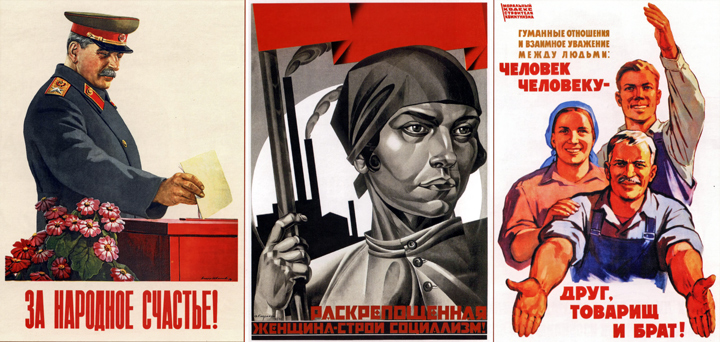
Die Moskauer Metro, 1935 eröffnet, ist die U-Bahn der russischen Hauptstadt Moskau. Sie gehört zu den U-Bahn-Systemen mit den tiefsten Tunneln und Bahnhöfen der Welt und ist mit knapp 2,4 Milliarden Fahrgästen jährlich (Stand: 2011) auch eine der am stärksten in Anspruch genommenen U-Bahnen weltweit. Die Moskauer Metro ist viel […]
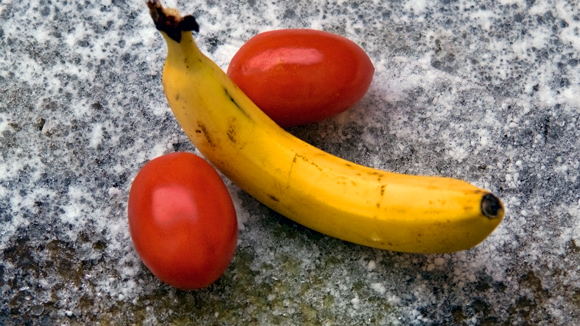
Whatever they do, average Europeans talk about prices and life costs, and since I live in Austria, I never met a person, who complaining about personal financial predicaments, would not mention option of playing lotto and wining a million, as if mathematical likelihood of event equated not to its magical […]
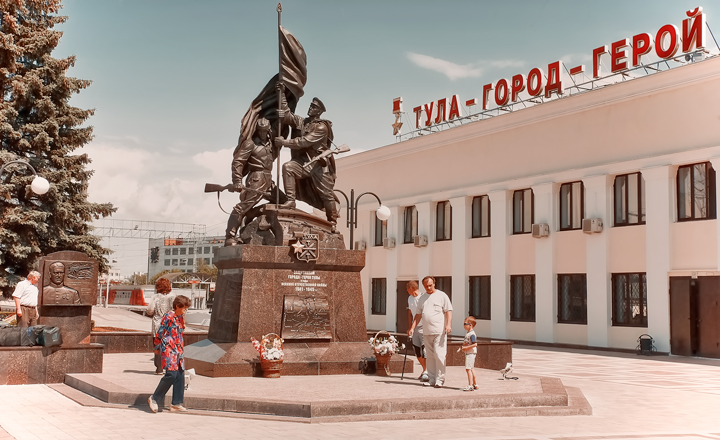
Trotz der ständigen Zensur, besonders früher im Rahmen der sowjetischen Gesellschaft, waren diese Witze immer sehr beliebt. Die Themen in den politischen Witzen werden meist an das Zeitgeschehen angepasst. Trotzdem wird auch heute sowohl über Medwedew oder Putin als auch über Lenin gern gescherzt. Um diese Witze zu verstehen, muss […]

Kirgistan – oder auch Kirgisistan – liegt in Zentralasien. Es grenzt im Norden an Kasachstan, im Süden an China. Kirgistan hat etwa 5,5 Millionen Einwohner auf einer Fläche von knapp 200.000 Quadratkilometern.Bishkek hat laut Auswärtigem Amt etwa 844.000 Einwohner, tatsächlich aber mehr als eine Million. Neben Kirgisisch ist seit 2000 […]

U.S. Russia and Kazakhstan secured plutonium before terrorists got it The Post reported Sunday that hundreds of pounds of plutonium, enough for dozens of nuclear weapons, lay buried for years in Kazakhstan at the Semipalatinsk test site after the collapse of the Soviet Union and the end of the Cold […]

KOMMUNISTISCHE GRAVITATION Robert Sommer für Die Wiener Nachrichten Excerpt from the book „Identity Lexicon“ by Robert Sommer – chief editor of Vienna street newspaper “Augustin”- presents story of his personality transformation – from participation in communist activities, including cooperation with Soviet communists and visits to Moscow – till his later […]
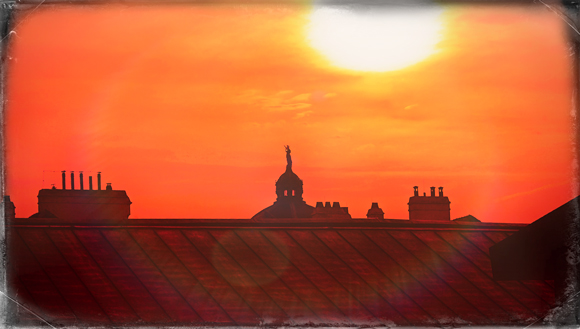
It seems not long time ago I stood before Moscow grocery store, chilled to the marrow and hungry, eager to get my portion of buckwheat, in line with hundreds of other hopping, popping and clinking with empty bottles Muscovites. It was after putsch time, when Boris Eltsin – then boisterous […]

By Alex Kirby, BBC Edited by Galina Toktalieva Twenty years after independence, this small Central Asian state remains one of the poorest among former Soviet Union respublics, struggling to make its way in a complex and sometimes hostile world. There is something of Arcadia about Kyrgyzstan in the spring. Heading […]
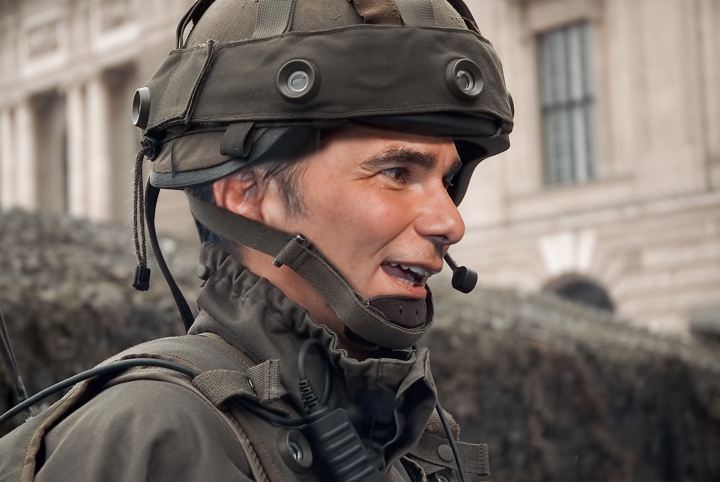
What expects immigrants in Austria next year In Österreich soll durch die sogenannte “Rot-Weiß-Rot-Karte” die Zuwanderung neu geregelt werden. Die auf einem Punktesystem basierende Regelung soll das bisherige Quotensystem ersetzen. Kriterien für die Zuwanderung sollen etwa bestimmte Qualifikationen, Deutschkenntnisse oder Nachfrage am Arbeitsmarkt sein. Innenministerin Maria Fekter (ÖVP) erklärte, die […]
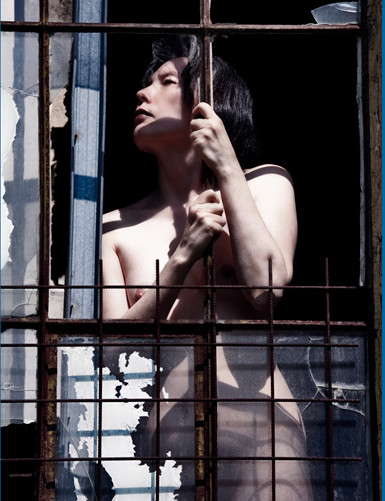
Feeling distantly curious about the car, I had no any thought it could concern me. However, my eyes were fixed at the fire escape staircase leading on the roof of the building. I regretted being disobedient to Red Mistress. Moreover, my instincts told me I was in danger after talk […]

Photo was made during one of manifestations in center of Vienna. The man with the dog has inscription at his shirt: “Nothing moves forward without Haider” According to my private statistics Jörg Haider is the most frequent Google search term after words sex and nudity that direct visitors to my […]

One flew over Cuckoo’s Nest When I was 19 years old, I failed entrance examination to the Kyrgyz university. First exam was English and I passed it very well. Then it came turn of composition. We were to write a few pages on the theme ‘Communism and future of humankind’. […]
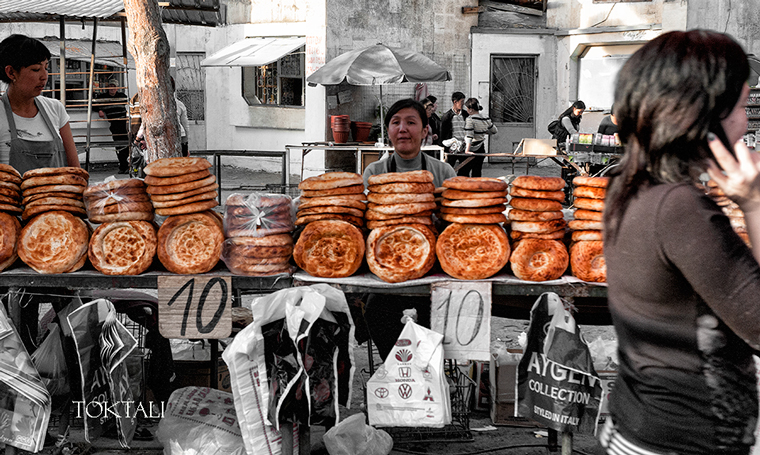
Zhanna It was sunny spring of 1982. The university alley of apple and peach trees was all pink lace of blossoms. The air was fresh and clear. But I was ascending marble staircase of main building with monument of Great Chief at the top feeling chill in my heart. I […]

When I came back to lathe, I saw inspector with measure gadget there probing my patterns. He declared high percentage of deficiency and recommended to sharpen the drill. It was smoke break in instrumental store, and a group of middle-aged workers gathered around the table. Black plate of old radio […]